Understanding Ozone Generators: Principles, Generation Technologies and Practical Applications
Understanding Ozone Generators: Principles, Generation Technologies and Practical Applications
Ozone (O₃), an allotrope of oxygen, is well‑known for its powerful oxidation capacity. First identified and named in 1840, ozone technology has been widely adopted for drinking‑water treatment, wastewater remediation, air sanitation, food processing and agricultural disinfection over more than one century.
As green oxidation solution, ozone features broad‑spectrum disinfection performance, rapid reaction speed, and decomposes back into oxygen without persistent secondary pollutants. Ozone generators are specialized devices that convert oxygen into ozone via physical‑chemical energy input. This article explains core principles, three major manufacturing technologies, functional mechanisms and safety considerations for ozone‑based treatment systems.
Three Main Ozone‑Generation Technologies
There are three mature industrial approaches to artificially produce ozone: Dielectric Barrier Discharge (DBD / Corona Discharge), ultraviolet irradiation, and water electrolysis. Each technology carries distinct strengths and suitable application scenarios.
- Dielectric Barrier Discharge (DBD)
DBD technology accounts for over 95 % of global industrial ozone output. High‑frequency high‑voltage alternating current creates micro‑discharges within electrode gaps fitted with dielectric layers. High‑energy electrons split oxygen molecules into free oxygen atoms, which then recombine into ozone molecules. The dielectric material prevents destructive electric arcs while maintaining stable cold plasma conditions to avoid thermal decomposition of finished ozone.
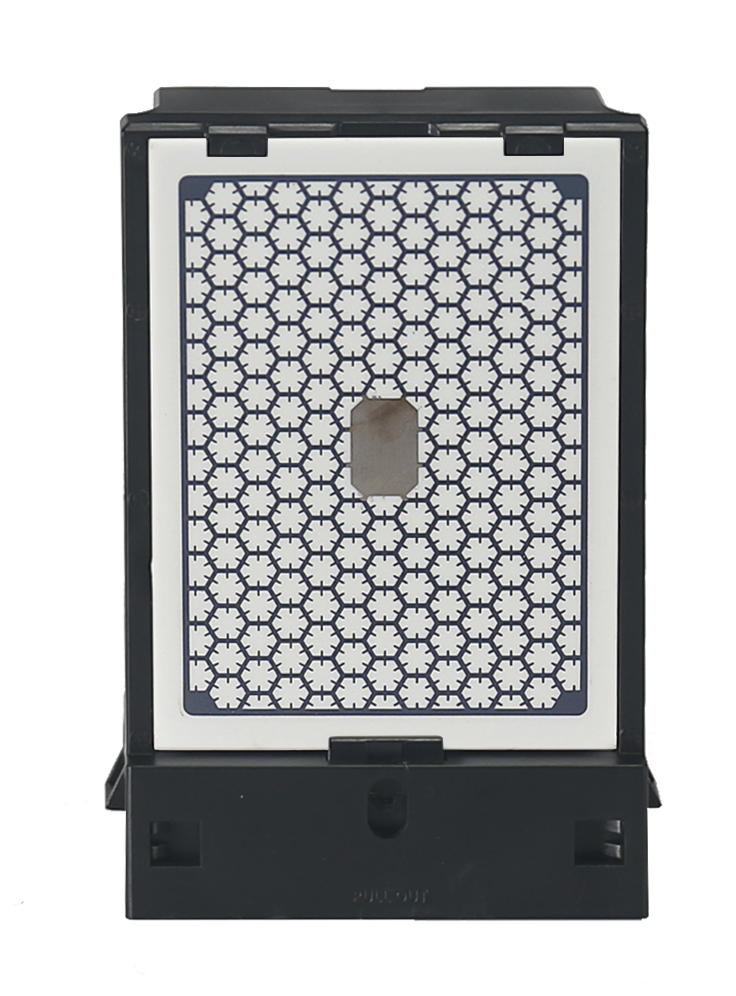
DBD units deliver high ozone concentration and large production capacity. Output performance depends heavily on feed‑gas purity, dryness, cooling temperature, power frequency and gas flow rate. Both air‑source and oxygen‑source feed options are available. This technology dominates commercial and industrial ozone‑making equipment.
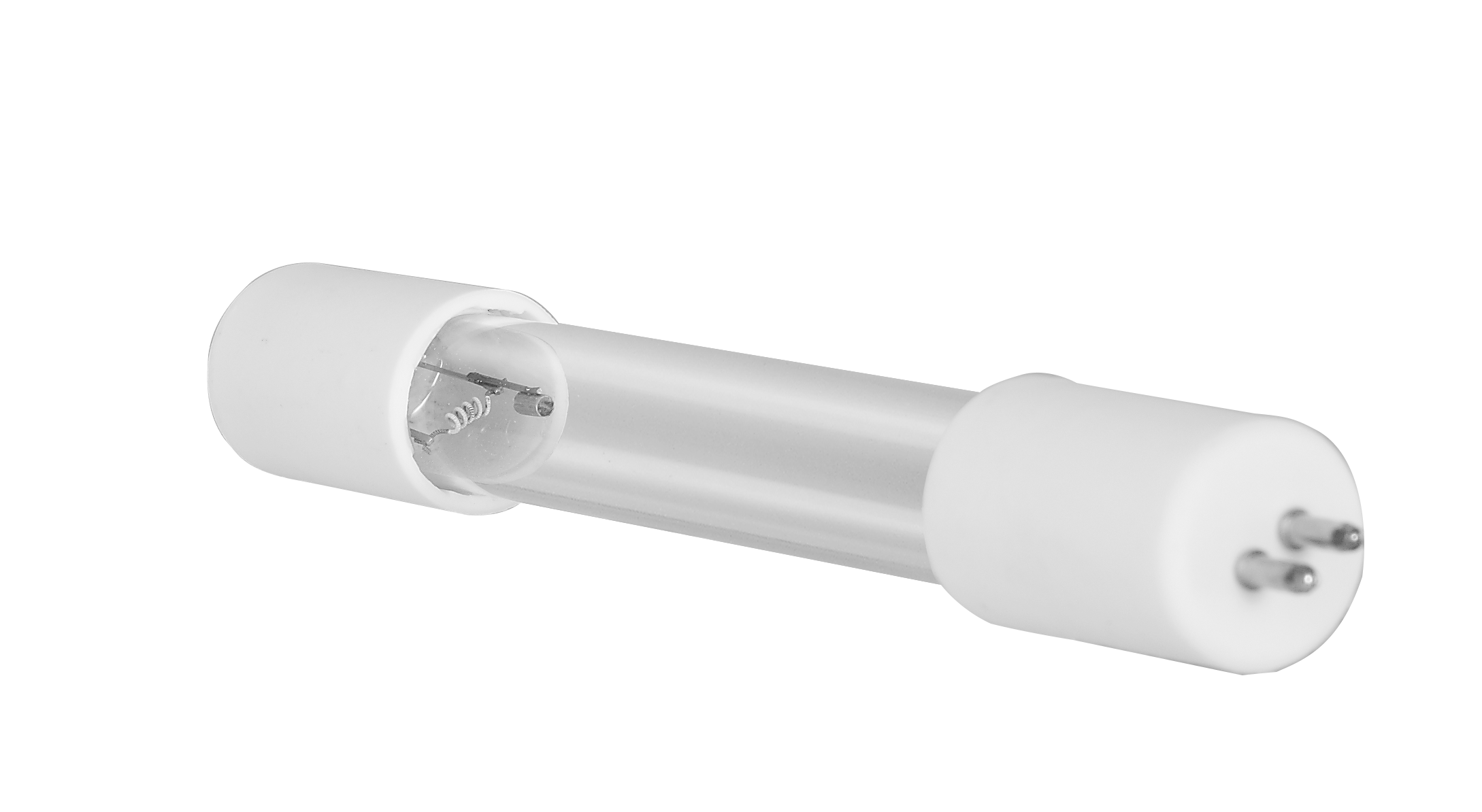
- Ultraviolet Irradiation Method 185 nm vacuum ultraviolet light breaks oxygen molecules to generate ozone. Note that common 254 nm UV light only delivers sterilization effect and cannot effectively create ozone. UV‑based ozone generators feature simple hardware and no high‑voltage risk, yet suffer very low energy conversion efficiency and limited yield. They are mostly applied in small‑size consumer appliances for minor de‑odour tasks.
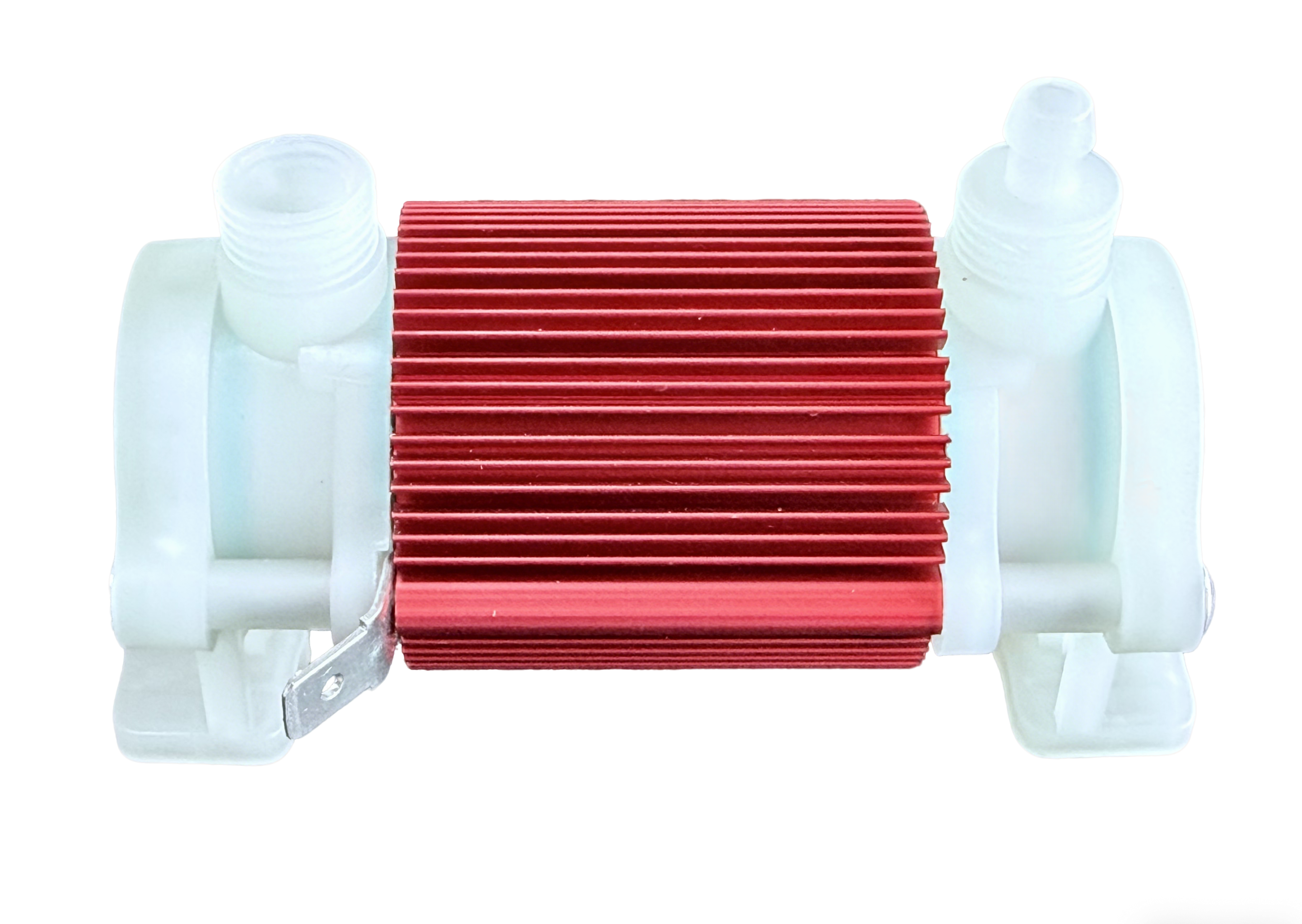
- Electrolytic Ozone Generation This technique produces ozone directly by electrolysing water at the anode. It can deliver high‑concentration dissolved ozone on‑site without complex pre‑treatment for input gas. Drawbacks include higher power consumption and relatively expensive electrode materials. It finds growing use for compact water‑treatment and laboratory‑grade equipment.
How Ozone Works for Disinfection, Degradation and De‑Odorization
Ozone acts as one of the strongest commercially available oxidants. It achieves multi‑target disinfection by oxidizing microbial cell membranes, disabling critical enzyme systems and damaging DNA / RNA structures of bacteria, viruses, fungi and spores. Compared with chlorine‑based disinfectants, ozone reacts far faster and avoids many harmful disinfection by‑products.
For organic pollutants, ozone functions via two pathways: direct molecular oxidation, and indirect oxidation through highly reactive hydroxyl free radicals generated during ozone decomposition. Combined advanced oxidation processes further boost removal performance for hard‑to‑treat contaminants.
For decolorization and odour elimination, ozone chemically breaks down conjugated chromophoric groups and oxidizes foul‑smelling substances such as hydrogen sulphide, mercaptans, aldehydes and ammonia. Unlike physical adsorption media such as activated carbon, ozone destroys odour‑causing compounds rather than merely trapping them.
Key Operating Parameters & Safety Reminders
Real‑world treatment results are determined by core parameters including ozone output, concentration, CT‑value (concentration multiplied by contact time), pH level and working temperature. Correct parameter matching is essential for expected sanitizing outcomes.
Although ozone brings powerful purification benefits, it is toxic to human respiratory tracts at elevated concentrations. Global authorities have defined clear occupational and indoor exposure limits. Ozone shock‑treatment equipment must only run in unoccupied enclosed spaces. Proper ventilation, ozone‑destruct exhaust units and gas leak detectors are required for safe system deployment. Operators should follow local standards and product‑specific safety instructions strictly.
Closing
DBD dielectric‑barrier discharge remains the dominant technical route for modern ozone generators, while UV and electrolytic solutions fulfil niche small‑scale requirements. Ongoing material upgrades, intelligent control algorithms and advanced oxidation combinations keep expanding application boundaries for ozone‑based green treatment technology.
About Us
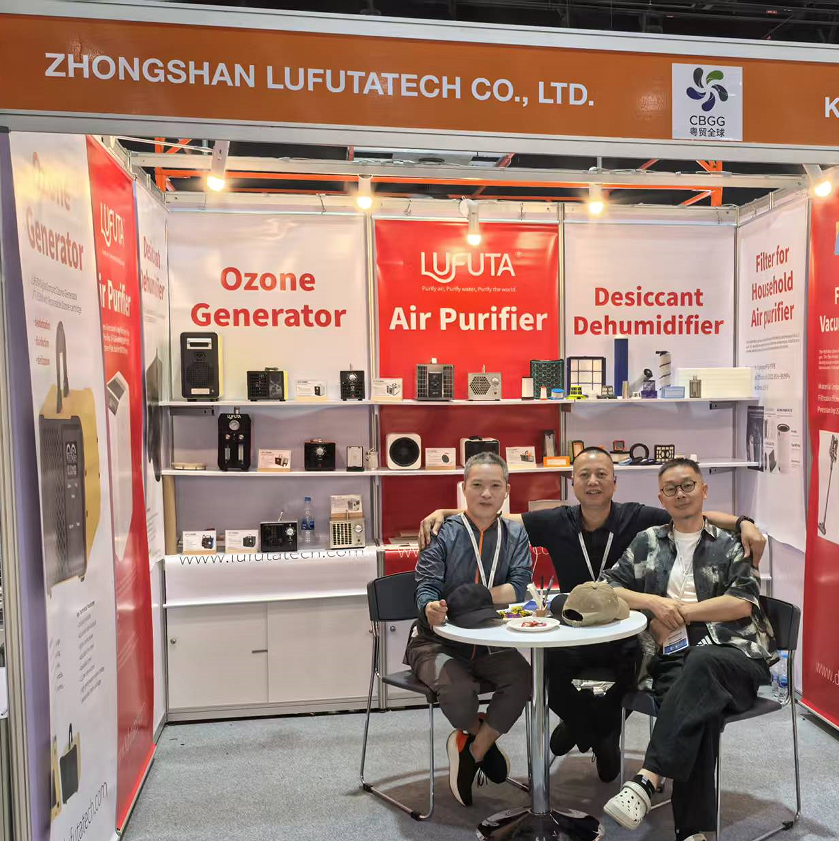
Zhongshan Lufutatech Co., Ltd. Lufutatech focuses on research‑and‑development and manufacturing of commercial & household ozone generators and multi‑functional air‑purification equipment. We provide standard devices as well as flexible OEM / ODM customisation for global distributors, importers and brand partners. Official website: www.lufutatech.com